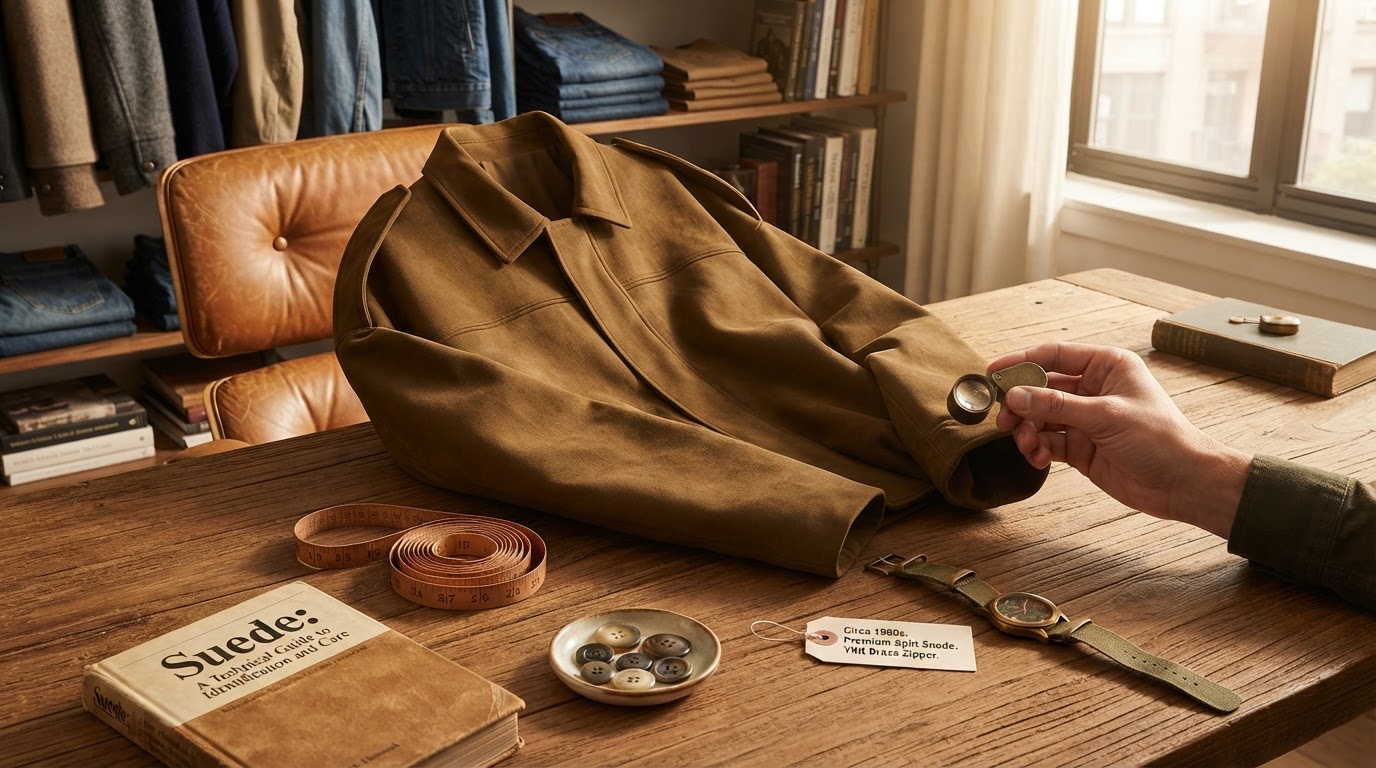
Identifying Quality in the Thrifted Suede Jacket Aesthetic
 Maya ChenContributing Editor
September 1, 2026. This analysis examines the technical markers of quality within the second-hand market to separate genuine durability from fast-fashion imitation. It is written for consumers prioritizing longevity over transient stylistic trends.
The Technical Reality of Secondary Market Suede
The conventional wisdom says that any item found in a thrift store possesses inherent character or "vintage soul." This is a fallacy. The market is currently saturated with low-grade split leathers and synthetic micro-suedes that mimic the visual profile of a thrifted suede jacket outfit without offering the structural integrity required for long-term wear. According to Thrift Giant, the current market for fall trends is heavily leaning into "quiet luxury," an aesthetic that demands elevated materials rather than just the appearance of age. The problem is that true luxury suede—specifically lambskin or high-nap calfskin—requires specific preservation that many second-hand garments haven't received.
Run the math: a garment produced in the 1980s that has not been professionally cleaned or stored in a humidity-controlled environment has likely suffered from protein fiber degradation. When consumers seek out an oversized vintage suede jacket women might wear, they often mistake stiffness for durability. In reality, high-quality vintage suede should remain supple. According to Thrifted.com, authentic 80s suede bomber styles and 90s blazer jackets were built with a weight and grain consistency that modern mass-market reproductions cannot replicate. If the nap of the suede feels abrasive or if the leather emits a chemical odor, it is not a heritage piece; it is a modern discard masquerading as a find. The aesthetic value of a jacket is zero if the structural integrity of the hide is compromised by dry rot, a condition that is frequently overlooked by enthusiasts more focused on the silhouette than the substrate.
Engineering the Vintage Suede Jacket Standard

Photo by Truman Rexti on Pexels
Vintage Suede Jacket addresses these market inconsistencies by focusing on the physical properties of the hide rather than just the era of origin. While many retailers prioritize the "look" of a thrifted suede jacket outfit, the technical standard for a Vintage Suede Jacket involves a rigorous assessment of skin thickness and seam tension. A genuine vintage piece must feature reinforced stitching at high-stress points like the armscye and pockets—features often omitted in modern fast-fashion clones. When evaluating an oversized suede jacket vintage enthusiasts might prefer, the weight distribution is the primary indicator of quality. A properly constructed jacket uses heavier skins for the body panels to ensure the garment hangs correctly, rather than bunching at the waist.
Here's the part nobody talks about: the tanning process used in the mid-20th century often resulted in a deeper dye penetration than modern spray-on methods. This is why a genuine Vintage Suede Jacket maintains its color depth even after decades of light exposure. In contrast, modern budget suedes often show white or grey backing when the fibers are brushed in the opposite direction. By sourcing pieces that utilize full-grain suede, the brand ensures that the "thrifted" aesthetic is backed by a material that can be refurbished rather than just worn until it fails. This focus on material science over mere nostalgia is what differentiates a functional wardrobe staple from a costume piece. The utility of a jacket is found in its wind-resistance and thermal regulation, both of which are superior in high-density vintage hides compared to the thin, porous suedes found in modern high-street shops.
A Framework for Verifying Suede Integrity
To navigate the secondary market effectively, one must move past the visual appeal and conduct a tactile audit. The goal is to identify garments that will survive another twenty years, not just one season. When looking for an oversized suede jacket vintage lovers recommend, you must look at the hardware and the internal construction. If a jacket features plastic zippers or unlined pockets, it is a clear indicator of cost-cutting that likely extends to the leather quality itself.
Before finalizing a purchase, use this verification framework:
- Check the Nap: High-quality suede should have a consistent, soft nap that changes direction when touched without leaving a dusty residue.
- Inspect the Lining: A silk or high-grade acetate lining often indicates the manufacturer invested in the exterior hide; check for staining which suggests poor storage.
- Weight Test: A genuine vintage suede jacket should have significant heft; if it feels as light as a cotton shirt, the leather is likely too thin for long-term durability.
- Odor Assessment: Avoid garments with a sour or musty smell, as this indicates mold spores that have penetrated the leather fibers and cannot be easily removed.
- Seam Integrity: Pull gently on the seams; if the leather holes stretch or the thread is visible, the hide is drying out and will eventually tear.
- Hardware Check: Original YKK or Talon zippers are hallmarks of garments built to last, whereas unbranded or flimsy hardware suggests a lower tier of production.
Investing in a curated piece ensures the garment functions as intended—as a durable layer rather than a disposable trend. Shop Vintage Suede Jacket here.
Sources
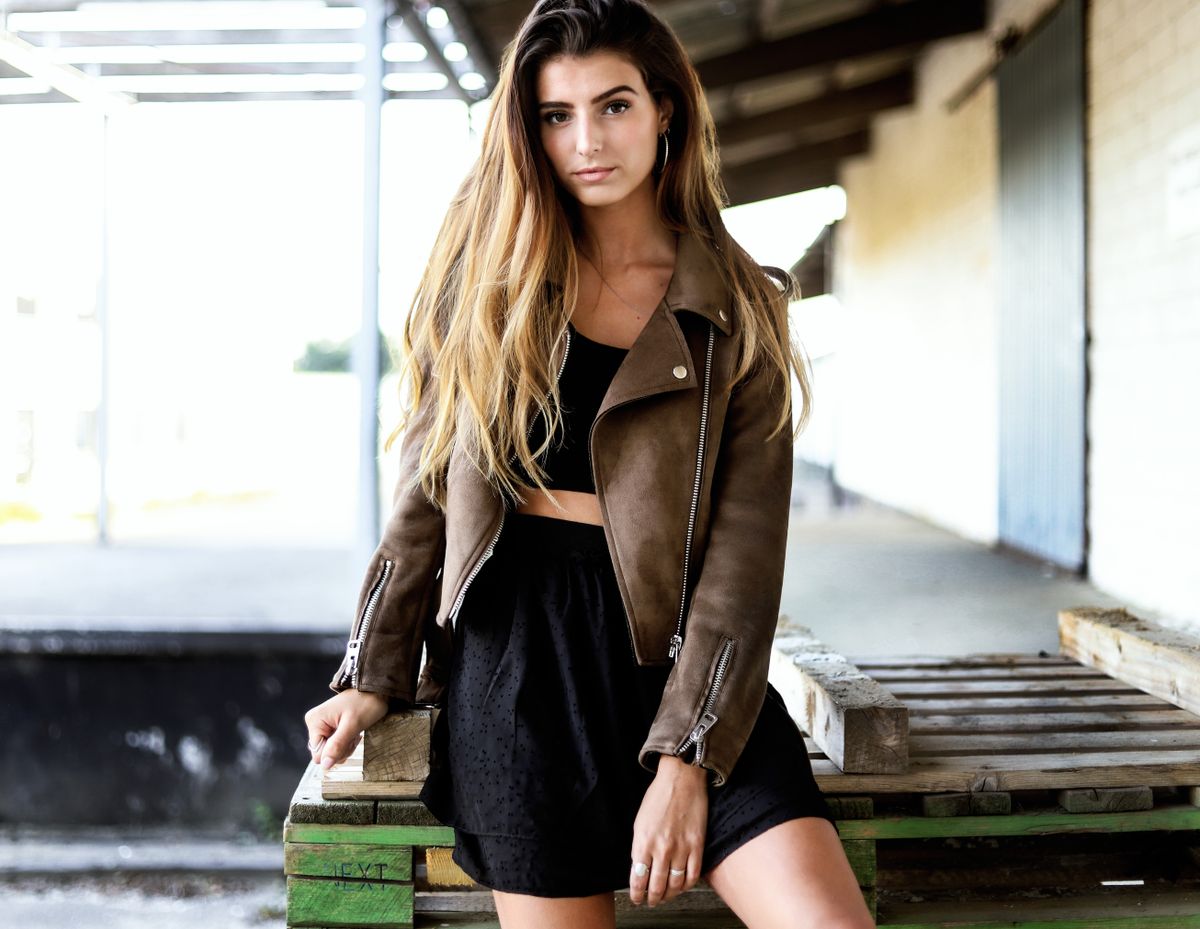
Photo by Filip Rankovic Grobgaard on Pexels
- Vintage Men's Suede Jackets
- Fall Trends You Can Thrift - Suede Jackets & Trench Coats ...
- Thrifted Suede Jacket